
 By Baxter Overman | February 21, 2026 in
That windshield haze might look minor during the day, but haze can make driving uncomfortable or even unsafe (I’ve been there). I find many people don’t know exactly why haze forms (or how to remove it), which is what I’ll cover in this post.
Windshield haze is usually caused by interior film buildup, exterior contamination, or in rare cases, a type of adhesive residue. Here’s how to quickly determine what type of haze or fog you have and how to remove it properly.
Step 1. (Assess): Determine if the haze is inside or outside
- Rub your finger across the inside of the windshield. If it smears easily, it’s likely interior film.
- Lightly mist the exterior with water. If the haze disappears temporarily, the issue is likely exterior contamination.
- Feel the surface. If it feels rough or gritty, you likely have bonded exterior buildup on the glass.
- Notice a sweet smell and recurring fog when heat is on? That could indicate a coolant issue.
Step 2. (Remove): Identify common types of windshield haze and how to remove each
1. Interior off-gassing from vinyl or plastic
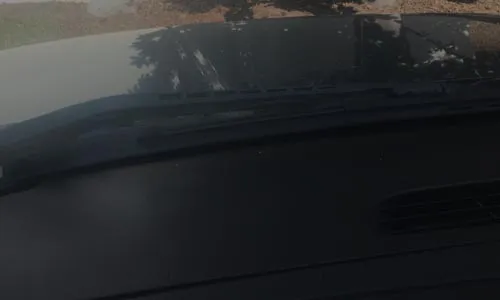
New vehicles often develop a thin interior film from dashboard plastics that release vapors in heat. These vapors settle on the glass, creating a smoky haze.
Off-gassing is most noticeable in sunlight. This vapor release tends to occur in new vehicles (that “new car smell”), but can release sporadically in warmer months as the vehicle ages.
How to remove: Use a microfiber towel or cleaning wand with isopropyl alcohol. For tinted surfaces, use a tint-safe cleaner. Apply product to the towel first, being careful not to spray droplets on the dash. This may require vigorous scrubbing, so repeat as needed until the haze clears.
2. Smoke residue
Smoking inside the vehicle leaves behind sticky residue that builds up on glass. It’s typically more stubborn and may require alcohol-based cleaning to fully remove.
How to remove: Use a glass cleaner like Invisible Glass or another tint-safe glass cleaner and scrub with a microfiber towel. You can also use diluted isopropyl alcohol.
3. Coolant leak (less common but important)
If you notice a slightly greasy haze that returns quickly — especially when using heat or defrost — along with a sweet smell inside the cabin, you may have a heater core or coolant issue.
How to remove: Use isopropyl alcohol in the short term, but be sure to turn off your heat or air conditioning until you fix the leak permanently.
4. Exterior contamination
Exterior haze is often caused by:
- Hard water mineral deposits
- Acid rain
- Tree sap and pollen
- Improperly buffed glass cleaners
- Road film
If you’re dealing with mineral buildup specifically, read our guide on removing hard water spots from your car.
How to remove: Wash normally with soap and water to start. From there, use automotive clay with detailing spray as a lubricant to remove embedded particles. For tree sap or sticky substances, apply an adhesive remover with a microfiber towel. For dried glue, a razor blade can help — just use plenty of lubrication and proceed carefully.
Step 3. (Prevent) – Learn how to prevent windshield haze in the future
Exterior prevention
- Apply a water-repellent like Rain-X to reduce contaminant buildup.
- Buff thoroughly after applying products like Invisible Glass (which can leave a temporary haze if not fully buffed).
- Wash regularly to prevent mineral accumulation on glass.
Interior prevention
- Clean your interior glass regularly to avoid buildup.
- Avoid over-applying interior dressings that can off-gas.
Final thoughts
Windshield haze isn’t too difficult to remove once you understand what’s causing it. As glass ages, it may pit or scratch. You can reduce the appearance of light scratching or pitting using a special glass polishing pad and a dual-action polisher. There are glass-polishing compounds made specifically for this application. :)
However, for severely pitted or deeply scratched glass, replacement may be the only true solution.
Take the extra time each month to clean the glass on both sides of the windshield. You’ll be surprised how much better you can see — and how much more effectively your defroster works — when the glass is clean.
Is it time to learn the basics of washing and detailing from home (to save money and see better results)? Check out our Washing and Detailing for Beginners video course to learn the fundamentals that make everything easier.

Learn the basics of car care and gain confidence in your ability.
This video course unpacks the fundamentals of washing and detailing. From exterior cleaning and blemish removal…you’ll learn the secrets that will give you spotless pro-level results!



Touche. Sound arguments. Keep up the good work.