 By Baxter Overman | March 31, 2024 in
Just opened the door to some wet carpet after a heavy rain? Maybe you forgot to close the sunroof and now have a wet butt for the ride home. Hey, it happens.
The good news is you can remove excess water from the inside of your car by following 3 easy steps: water removal, drying, and moisture removal. Unless your vehicle has been completely flooded, there a a couple of key DIY drying methods that work wonders.
In cases of vehicle flooding or total water submersion, contact your insurance company; never attempt to dry out or turn on a vehicle when water damage is severe and if mold and bacteria may be present. Always keep electrical systems turned off if you have a flooded car.
In this post, you’ll learn the best way to dry out your car’s interior AND what drying method to choose for your situation.
Determine how much excess water is in your vehicle
To begin, open the doors to assess where water is coming from. If you only feel damp water spots in certain areas, you may have a slow dripping leak. For convertibles or soft tops, check any corners or trim work for gaps where water might be entering.
Remove your floor plug if necessary
If water is pooling up in the floorboard, remove your vehicle’s floor plugs to let the water escape (if you have plugs). Normally there are 2 drain plugs in the front floorboards and 2 in the back that can be popped out from the outside.
Look for clogs in sunroof drainage tubes
Clogged drainage tubes, although less common, can cause water to enter your vehicle when clogged. Drainage tubes are common in vehicles with a sunroof or moon roof and can be unclogged with compressed air or even a piece of fabric connected to a fishing line.
Select the best drying method for your situation
While a dry microfiber towel can absorb some water, you’ll need a better method for standing water. Always remove visible water promptly instead of waiting, and keep your doors open for proper ventilation throughout the drying process. Remove and hang up your floor mats to start, while you proceed to one of these 4 drying methods.
Option 1: Microfiber Drying Towels
Best for: Dampness and minor spills
If you click this link and make a purchase, we earn a commission at no cost to you. Thanks for your support.

Have a few damp areas or a small amount of water? Use what’s called a microfiber drying towel or a few regular microfiber towels. Pat the affected area to absorb any water you can, and apply a carpet cleaning spray for freshness if needed. While you’re at it, turn your air conditioner on full blast since the circulation setting will help remove any remaining water from the cabin. Never use paper towels since they’ll leave lint.
Option 2: Portable Wet/Dry Vacuum
Best for: Carpets and seats; standing water
If you click this link and make a purchase, we earn a commission at no cost to you. Thanks for your support.

Use a wet/dry vacuum like a Shop Vac to suck up standing water or squishy-sounding waterlogged carpet. Don’t use a standard car vac to suck up water, since the motors are not designed for water. These are great to have for normal auto detailing too.
After vacuuming, let some fresh air in by opening the doors in direct sunlight if you can, or use a fan to help evaporate any remaining moisture.
Option 3: Floor Dryers and Fans
Best for: Large, wet areas
If you click this link and make a purchase, we earn a commission at no cost to you. Thanks for your support.

You may need a carpet dryer (also called a blower fan) if you have more water than you can absorb with a towel. Carpet dryers are the fastest way to dry a wet interior because they concentrate air close to the ground. These devices can be left on for several hours and will accelerate the evaporation process to prevent mold and mildew.
To dry wet car seats, you can either use a hair dryer on a cool setting or a portable fan; never apply hot air to seats or carpet as you can melt or burn the fabric or leather.
Option 4: Dehumidifiers and Moisture Absorbers
Best for: Odor prevention
If you click this link and make a purchase, we earn a commission at no cost to you. Thanks for your support.

Once you’ve sucked up the water, the next step is to capture any leftover moisture as it evaporates over time. A good car moisture absorber can help prevent funky smells, even if you’re not dealing with a wet car interior.
I like Damp Rid because you can see how much water has been removed after a few days. For regular odor prevention, a charcoal moisture-absorbing bag is a good way to remove excess moisture if you forgot to remove that Diet Coke bottle last week
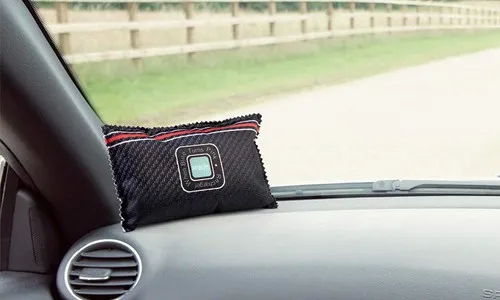
You can use a portable electric dehumidifier to remove excess moisture but only do so after you’ve extracted all the water you can.
Bring in the professionals if needed
You can remove a lot of moisture yourself, but it’s a good idea to seek professional help in some cases or if you don’t feel comfortable; companies like Roto-Rooter or plumbing companies can assist.
Call a local plumbing or water removal company like a Roto-Rooter if you don’t feel comfortable taking it on yourself. Some auto detailers can likely help remove signs of water damage later on once everything dries.
Need to deep clean your carpet next?
Removing water is part one, but you’ll want to clean your carpet at some point to freshen things up. Check out our post on how to clean carpets for beginners for an easy-to-follow tutorial.
If you need help making your car look amazing inside and out, get our video course, Washing and Detailing for Beginners, and use code BLOG for 15% off at checkout.
This course is packed with the basics that took me years to understand and master, and will save you time, money, and a lot of headaches. Good luck :)

Learn the basics of car care and gain confidence in your ability.
This video course unpacks the fundamentals of washing and detailing. From exterior cleaning and blemish removal…you’ll learn the secrets that will give you spotless pro-level results!